
myecomix.com
Multi-vendor marketplace rebuilt from WordPress, Dokan and WooCommerce into a purpose-built Rust application — real online payments, realtime stock tracking, five-language search, product SEO and a full vendor console.
Category
E-commerce / Multi-Vendor Marketplace
Client
Private
Start Date
2026
platform
Rust, axum, PostgreSQL, Meilisearch, Redis, Docker, Cloudflare
Project Description
project description
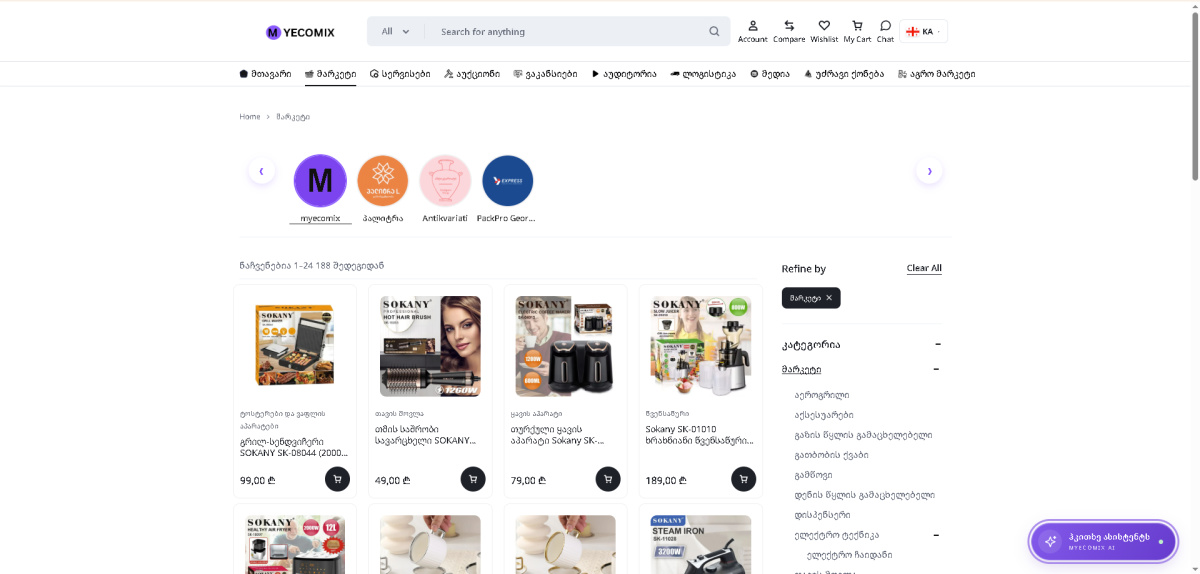
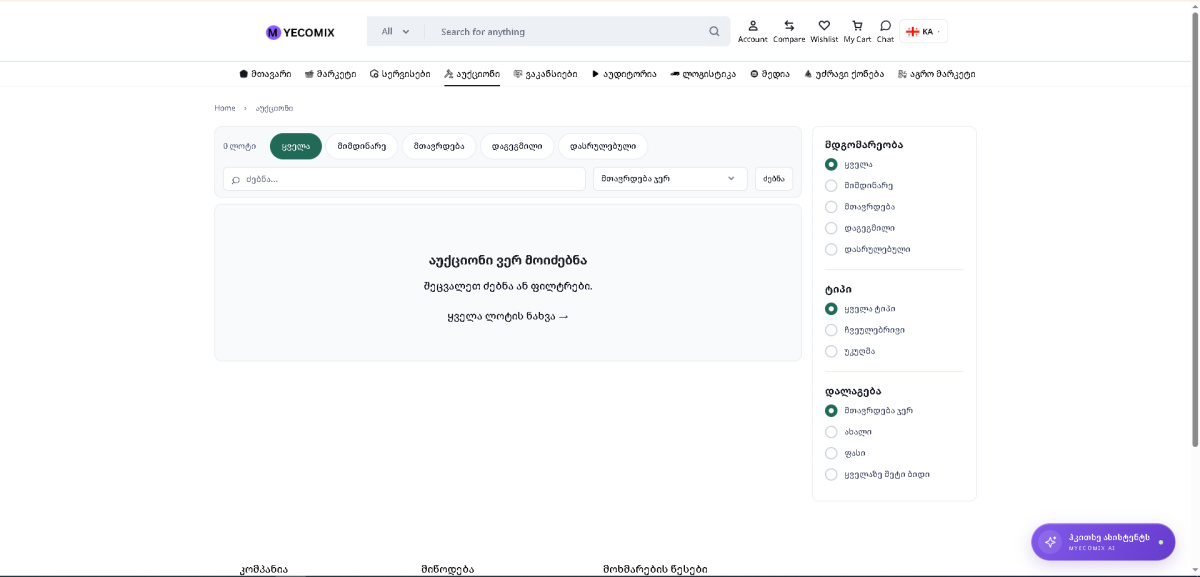
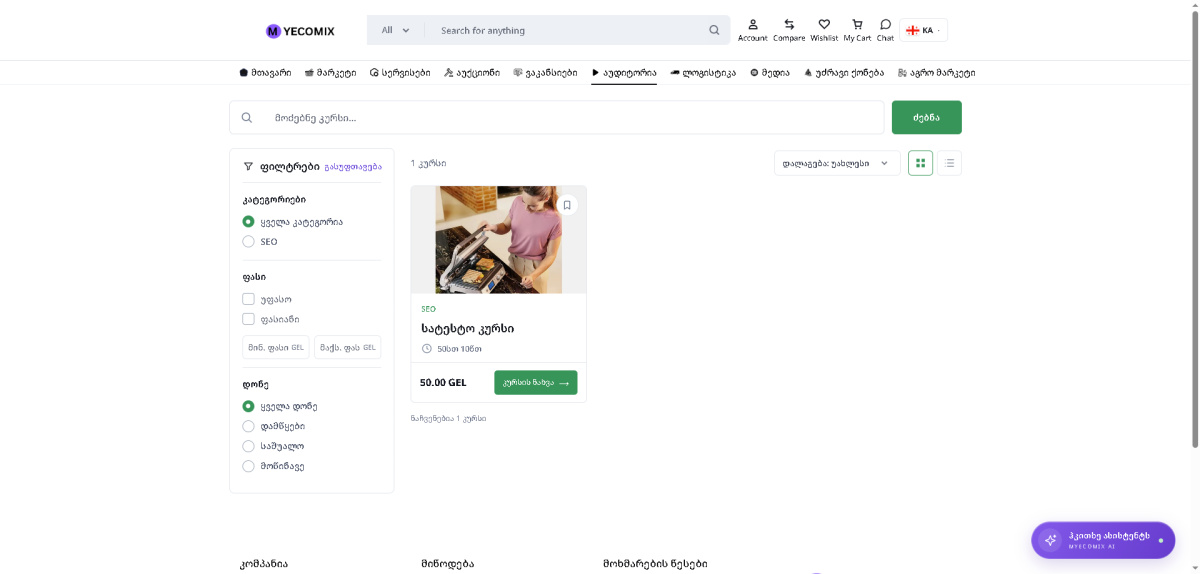
MyEcomix is a multi-vendor marketplace that spent years on WordPress with Dokan and WooCommerce. In June 2026 I started rebuilding it as a standalone application, and by August 2026 the WordPress installation was gone — the storefront, the vendor console and the entire API now run on Rust.
THE STORY
A marketplace is not a blog, and WooCommerce treats products as posts and metadata. Every product page joined through tables never meant for it, Dokan layered vendor logic on top, and a single page load pulled in dozens of plugins. Stock counts drifted between the storefront and the database, checkout could not be trusted to hold quantity under load, and with five languages and thousands of SKUs the old search returned whatever the database happened to match first.
Rather than keep patching the WordPress site, I rebuilt the whole platform as a purpose-built application. Rust was chosen for the backend because a storefront is exactly where its guarantees pay off: predictable latency under load, no garbage-collection pauses, and a type system that makes a broken money or stock calculation very hard to ship. The old host was left completely behind — nothing in the new stack calls out to it.
Admins get full control of the marketplace: vendors and stores, marketplace commission, products and variations, coupons, live stock, orders, refunds and reporting. Buyers get a five-language storefront with fast search, real online payments, and product pages that show exactly how each item is described to search engines.
OUR APPROACH
The project was engineered around performance, correct money and stock, and a vendor experience that feels like a product rather than a plugin.
• WordPress exit: the old storefront, schema and host are gone; the new application starts from nothing and calls nothing old.
• Rust backend: a single service (axum, sqlx, Tera) serves the storefront pages, the JSON API, the WebSocket chat and the whole operator console.
• Real payments: checkout runs through a genuine online payment integration with bank and gateway support, with orders, refunds and reconciliation all recorded.
• Realtime stock: quantities are decremented inside the transaction that places the order, so two shoppers racing for the last item cannot both win, and every page reads the same live value.
• Five-language search: Georgian, English, Russian, Turkish and Azerbaijani, indexed in Meilisearch from a denormalised keyword column kept current by a trigger, with an automatic PostgreSQL fallback when the engine is down.
• Product SEO: every product carries its own SEO title, description and keywords, visible to the seller and wired into the same search index, so improving SEO improves discoverability.
• Multi-vendor marketplace: independent stores with their own products, branding and login, plus marketplace commission and payouts calculated from real order records.
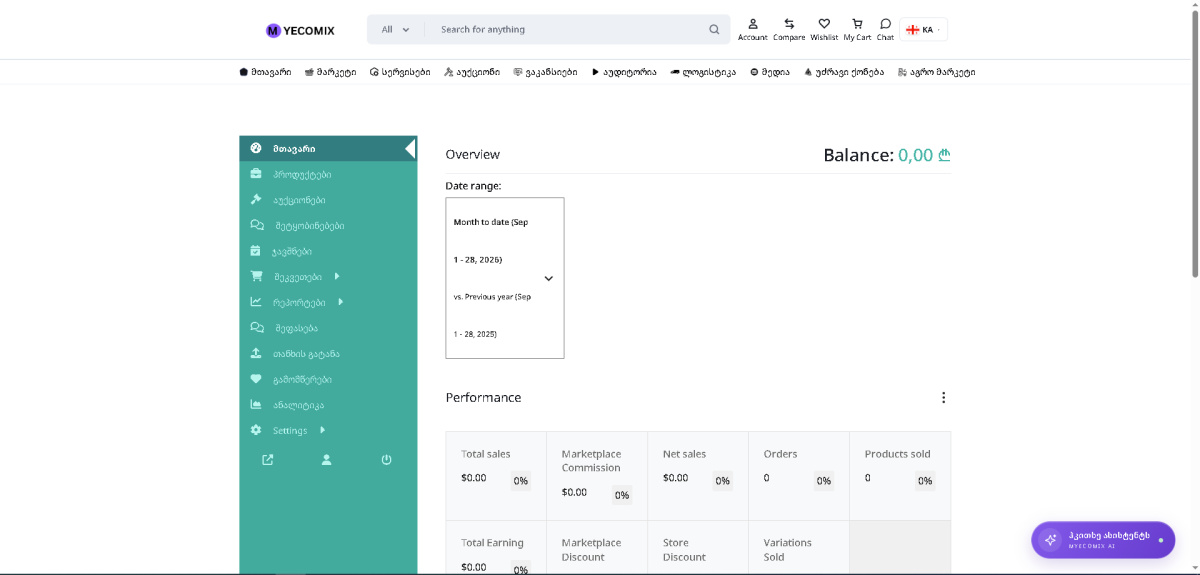
• Vendor console: a live dashboard with sales, commission, net sales, orders, variation and discount reporting, balance and date-range comparisons, and full catalogue management.
• AI assistant and chat: a catalogue-aware assistant for customers and a WebSocket channel for realtime messaging, both degrading gracefully when unconfigured.
• Delivery: one Docker Compose project with schema migrations applied automatically at boot, fronted by an edge service that shows a friendly update page during a deploy instead of a platform 404.